Everything You Need to Know About Aftermarket CarPlay Interfaces in 2026

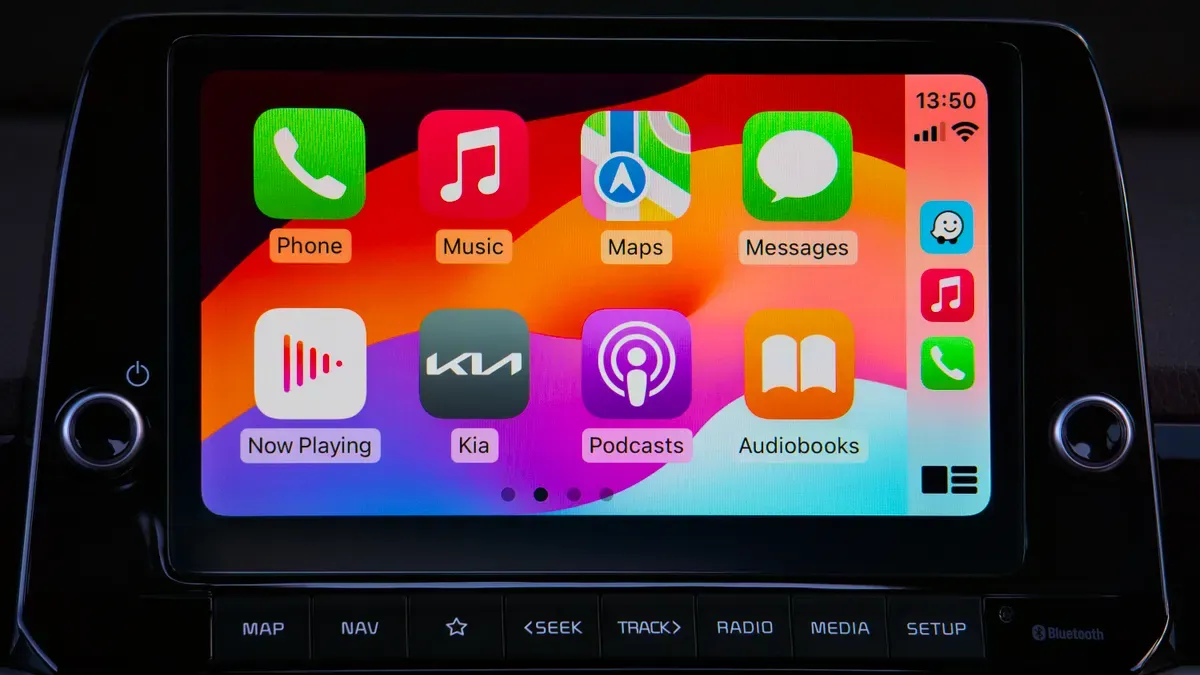
An aftermarket CarPlay interface module is an add-on hardware box installed behind dashboard panels to add Apple CarPlay without replacing the original screen. This small device acts as a simple bridge for your vehicle. You quickly gain modern smartphone connections right on your main dashboard. The unit keeps all original car controls, factory radio features, and backup camera views working normally. You do not need to replace your built-in screen to enjoy new technology. You just connect your iPhone to use maps, stream music, and make hands-free calls. The original screen manages both systems very easily. You can switch between factory menus and your CarPlay screen by pressing just one button.
Key Takeaways
Secret add-on parts give you modern CarPlay tools without changing your original car screen.
You save all original car settings like backup cameras, warning sounds, and steering wheel controls.
Pressing a single button allows you to quickly change between your normal car dashboard and the CarPlay screen.
Built-in units provide better speed and a tidier look for your dashboard than low-cost wireless plugins.
Easy-to-connect wiring protects your car's value because you can remove the device whenever you want.
What Is an Aftermarket CarPlay Interface Module?
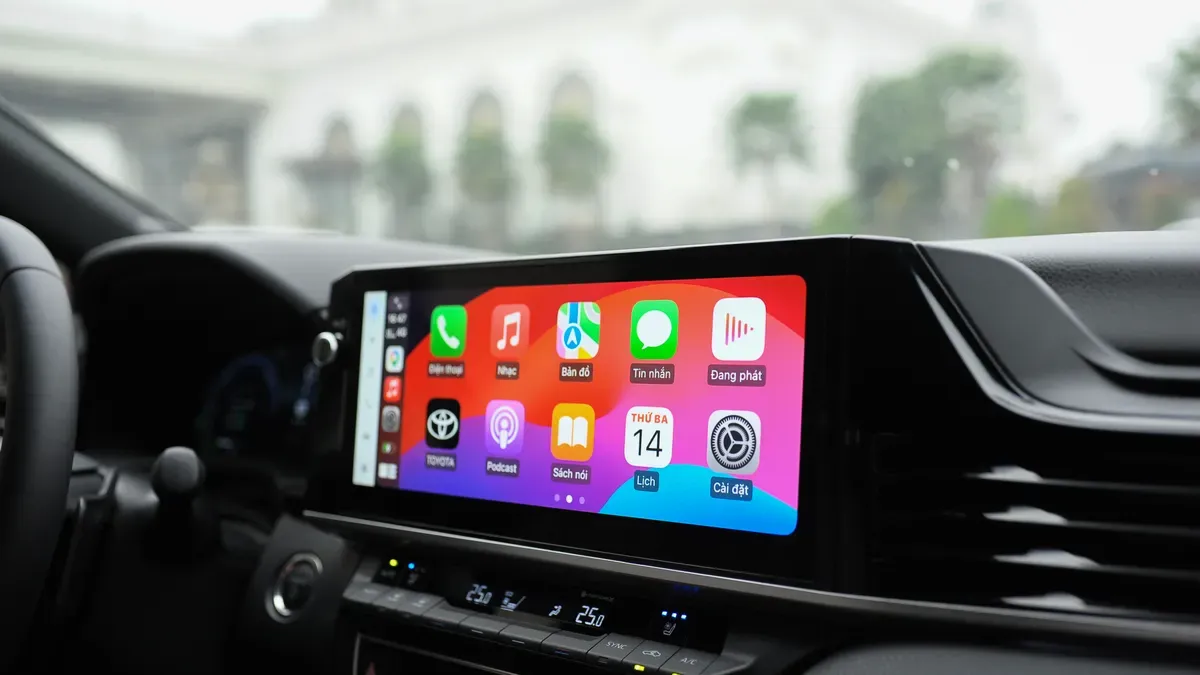
An aftermarket CarPlay interface module brings updated media software to older vehicles. You place this small device hidden behind your dashboard panels. The unit displays phone apps on your current screen without changing original equipment.
How an Aftermarket Module Preserves Factory Features
This interface box works smoothly next to original systems. You connect special wiring harnesses in your dash without cutting any wires. You preserve your original steering wheel buttons, factory backup camera, and system warning sounds.
Aspect | Description |
|---|---|
Core Function | Creates CarPlay inside and sends video and audio to original screens. |
Physical Connection | Plugs in using exact vehicle-specific and year-specific factory wire connectors. |
Integration Result | Keeps native features while adding updated smartphone connection options. |
You change screens quickly between factory menus and your new system. Holding one button switches the screen view. You gain full CarPlay features without putting in a large new stereo.
Interface Modules vs. Aftermarket Wireless CarPlay Adapter Options
You need to pick the best upgrade method for your car. An aftermarket module places extra hardware inside cars without built-in software. An aftermarket wireless CarPlay adapter functions in a different way. That basic dongle plugs into vehicles that already feature factory wired CarPlay. It simply turns wired CarPlay into a wireless signal.
Feature | Integrated Wired Interface Module | Wireless CarPlay Adapter |
|---|---|---|
Connection Type | Direct physical USB cable | Bluetooth pairing, then Wi-Fi connection |
Connection Stability | Very strong, fast, and dependable | Easy to lose connection |
Drivers frequently notice major performance changes when using a wireless CarPlay adapter:
They experience slow responses and occasional sound delay problems.
Lost connections happen frequently on cheaper stereo systems.
Speed remains unreliable when using older iPhones or outdated software.
A physical cable creates a steady path for long trips. Setting up a full interface module gives dependable performance compared to a basic wireless adapter. You can still switch your factory radio for a complete new stereo, but a module leaves your stock dashboard untouched. Swapping out your whole radio requires much more work than adding a hidden module.
How CarPlay Interface Technology Operates
Video Signal Injection and OEM Audio Integration
The hidden carplay interface sends clear video signals right to your screen harness. It uses a Low-Voltage Differential Signaling (LVDS) video input. This approach shows high-definition carplay graphics while keeping your original display. Your factory head unit stays fully powered and running behind the dash. The current screen runs original vehicle menus and phone software without trouble. Drivers swap between factory menus and modern app views in one second.
Sound moves through your car's speakers by using direct wiring connections. Vehicles with fiber optic audio systems need careful signal paths. Keeping the factory head unit in the optical loop preserves vital warning chimes. A digital preamp changes optical signals into analog sound for an aftermarket head unit. This setup gives clean audio quality while maintaining complete system compatibility. An aftermarket upgrade offers high performance without changing original vehicle wiring harnesses.
Retaining Factory Controls and Steering Wheel Buttons
Newer cars send physical button clicks as digital data over a Controller Area Network (CAN-bus). An aftermarket head unit cannot process these raw digital messages on its own. An internal aftermarket decoder turns CAN-bus messages into basic commands right away. This smart setup lets you run phone apps with steering wheel buttons or central knobs. You control map screens easily while keeping your eyes on the road.
Holding your factory steering wheel voice button turns on Siri right away. The system sends your voice through the stock microphone array straight to your iphone. This setup keeps call quality clear during regular phone conversations. You can pick wired carplay for steady charging or wireless carplay for quick daily access. Going with wireless carplay enables simple connections, while wired carplay offers total signal stability on long trips. An aftermarket head unit runs smoothly alongside your main dashboard parts.
Key Advantages of an Aftermarket CarPlay Upgrade
A carplay interface module preserves the overall look of your vehicle's interior. Old-fashioned stereo installations force you to cut wires and pull out your screen. This small unit remains hidden out of view behind your dash panels. You keep your car's original cabin style without making any permanent modifications.
Retaining Original Infotainment and Dash Aesthetics
You maintain your factory dashboard appearance without making any physical changes. Swapping original stereo components often ruins the sleek layout of modern cars. Putting in a full aftermarket head unit replacement usually calls for extra plastic cover panels. Those added plastic pieces can look cheap and out of place inside nice cars. Adding a concealed module keeps your original display right where it belongs.
This clever installation process helps protect the resale price of your vehicle. Putting in a full aftermarket head unit replacement might hurt your car's value or void warranty coverage. A plug-and-play module lets you remove everything quickly whenever you decide to sell.
Installation Type | Impact on Vehicle Resale Value |
|---|---|
Full Aftermarket Head Unit Replacement | May affect resale value or warranty. |
CarPlay Module (Plug-and-Play) | Reversible, resulting in minimal impact. |
Seamless Integration for Complex OEM Displays
Newer automobiles rely on main dashboard screens to manage essential vehicle settings. Replacing your factory radio disrupts climate controls, safety alerts, and diagnostic screens. You can upgrade your drive while keeping total access to these helpful built-in features.
This extra hardware accommodates physical cable hookups alongside wireless carplay choices. You get the easy comfort of cordless connections on fast trips around town. Your phone connects on its own the moment you turn the key. The wireless carplay setup displays your map routes right away without any plug-in cords.
An aftermarket head unit replacement changes up your factory dashboard electronics completely. On the other hand, an added interface device functions right alongside your existing car parts. You can toggle back to original factory screens by hitting a single button. You keep complete use of your factory backup camera and parking sensors. You gain great modern carplay features while keeping your original factory screen intact.
Selecting Wireless CarPlay Modules in 2026
Latency, Resolution, and Connection Stability
Picking a good wireless carplay system requires high-performing internal components. Modern signal chips decide how fast applications open when tapped. Most wireless systems take about one or two seconds to respond. Picking better hardware keeps your media screens running without annoying lag.
Updated screen screens change how clear everything looks on your dash. Premium aftermarket head unit options like the Pioneer DMH-WT8600NEX feature sharp 1280 × 720 visuals. Higher screen pixels help keep digital driving maps clear and simple to read.
Touchscreen Feature | Resistive Display Consideration | Capacitive Display Consideration |
|---|---|---|
Interface Design | Needs large icons because of lower touch sensitivity | Supports precise touch gestures easily |
Visual Clarity | Benefits heavily from anti-glare coatings | Displays crisp map details natively |
Drivers must select a full internal module or a basic plug-in unit. An aftermarket wireless carplay adapter plugs right into cars with factory wired carplay built in. That simple dongle adapter turns a wired link into a wireless setup. A basic adapter converts built-in wired carplay signals into wireless signals. But an integrated aftermarket module installs complete carplay software onto older car screens.
Vehicle Fitment and Hardware Requirements
Your specific car model decides which system fits your main dashboard. Internal hardware matches specific car brands, dashboard styles, and build dates. For instance, special kits fit 2021–2023 trucks like the 2021 Ford F-150. These sets expand an 8-inch SYNC 3 display to a 12-inch screen.
A customer review confirms successful installation and use of Full Screen Wireless CarPlay on an F-150.
Check your wire plug patterns before starting any installation project. Correct wiring lets your head unit share data with dashboard buttons easily. You can link your iphone through a fast wireless signal or a standard plug. Your iphone connects to the vehicle the moment you turn your key. You maintain strong wired carplay performance whenever you need fast phone charging. Buying the proper module guarantees smooth system operation on every drive.
An aftermarket carplay interface module adds smart tech without replacing factory screens. You get full carplay features on older display screens safely. This hidden device keeps your car's original dashboard looking brand new. You retain built-in programs, backup cameras, and safety warnings. Factory steering wheel buttons and main console knobs control your navigation apps with ease.
You could swap your original setup for a new head unit like a Pioneer AVH-W4500NEX. However, an integrated aftermarket module provides a simple, safe path for matching cars. Picking vehicle-specific hardware ensures clear sound without delay and a reliable wireless link. You get a smooth, cord-free drive each time you hit the road. Today's wireless carplay connections make your everyday travel simple and neat.
FAQ
Can an aftermarket wireless carplay adapter work with your car?
Your vehicle must have factory wired carplay already installed to use an aftermarket wireless carplay adapter. You just plug this small device right into your USB port. It quickly links up with your iphone. Be sure to check if your car is compatible before ordering any parts.
Will an interface module affect my factory features?
No, all of your original vehicle settings and backup cameras keep working normally. The device allows you to flip between your original display and carplay without any delay. Custom wire connections preserve complete function for your steering wheel buttons.
What is the main difference between wired carplay and wireless connections?
Using a wired carplay setup powers your phone battery nonstop while giving you reliable connections. Choosing a wireless option gives you easy, cord-free use whenever you turn on your car. Both methods offer very smooth touch performance on your screen.
How do you install a hidden interface unit?
You tuck the main device out of sight behind the dashboard. Then, you attach special cables to your factory plugs without cutting any original wires.
See Also
How To Upgrade Your BMW With A Wireless CarPlay System
Transform Your Driving Experience With Modern Stereo Touch Screen Displays