Android Auto Retrofit Kit for Factory Screens | Leadsign

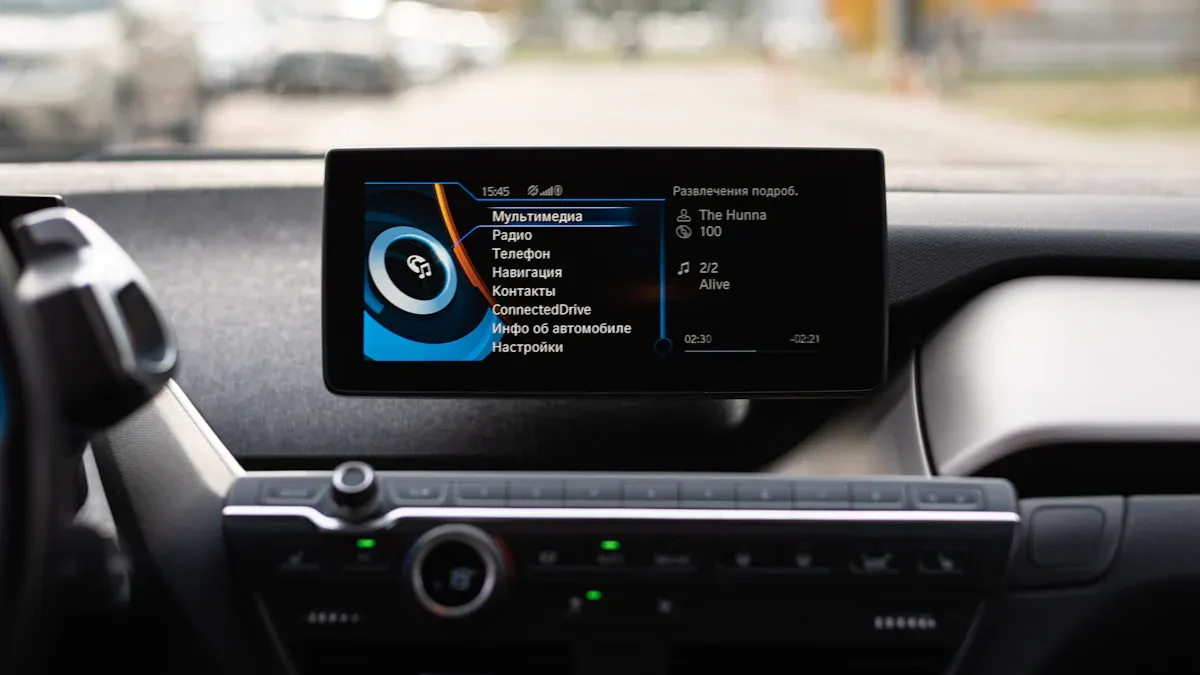
Your car runs great. The engine hums. The seats feel comfortable. But the infotainment screen looks ancient. In 2026, android auto comes standard in new cars. Millions of existing vehicles lack this feature. Do you need a new car or a dashboard replacement? No.
A retrofit android auto kit bridges the gap. This smart solution costs less than a new vehicle. You have three paths: a portable screen, a full head unit swap, or an android auto retrofit module. The dedicated retrofit kit for your factory screen offers the best balance. It preserves your dashboard's original look. It keeps costs reasonable. It delivers modern functionality. Understanding how it works and what it costs helps you choose the right kit.
Key Takeaways
Retrofit kits let you add Android Auto to your factory screen without swapping it out.
Installing it is simple: just plug it in, and you don't need to cut or splice wires.
You keep your original controls, sound, and dashboard look.
Retrofit kits are cheaper than replacing the whole head unit.
Before you buy, check that the kit works with your exact car model.
Android Auto Retrofit Options Compared
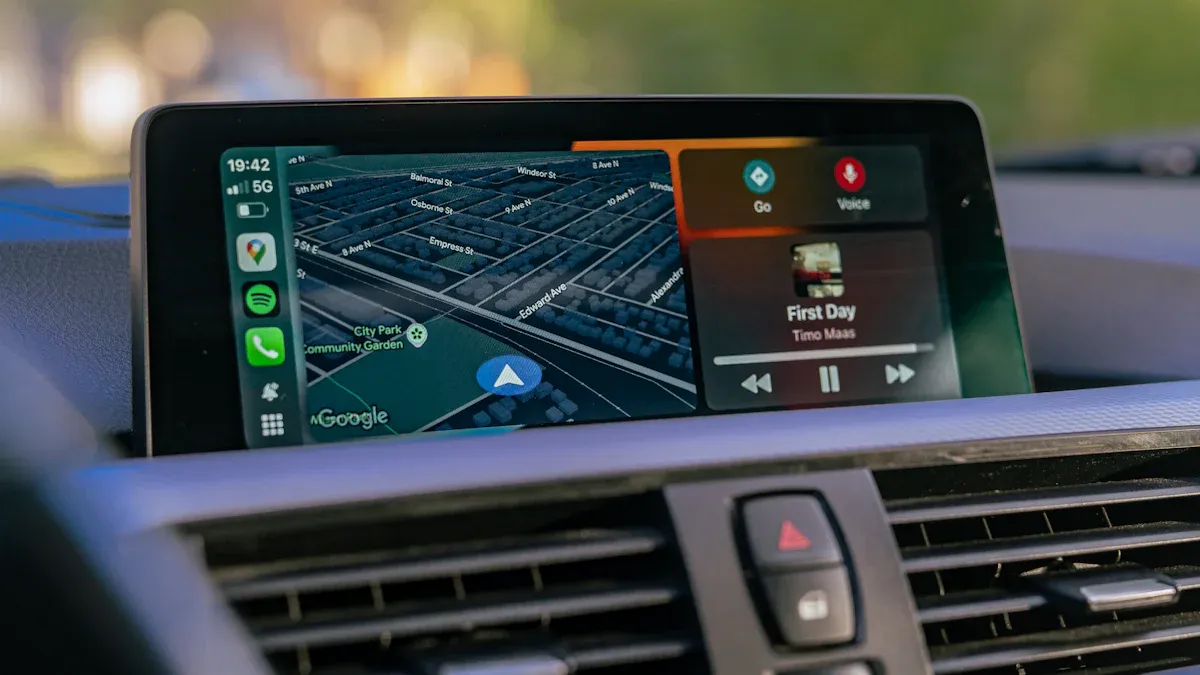
You have three main ways to add android auto to your car. Each choice handles cost, looks, and setup work in its own way. Knowing these trade-offs helps you pick the right one.
Portable Screens vs. Factory Screen Kits
Portable screens are the cheapest option. You put a small display on your dashboard or windshield. You link it with Bluetooth or a wire. These devices cost much less than other choices. They work in any car without changes. But they do not look built-in. A visible screen with cords takes away from your dashboard's style. You also handle a separate gadget. It needs charging or steady power. The feel is not connected to your car's own systems.
A factory screen kit, on the other hand, uses your current display. The android auto retrofit module hooks into your existing screen. You keep the original look and feel. Your steering wheel controls still work. The Hamilton Motor Company's 2020–2025 Lexus IS conversion kit costs $869.00. This price is a typical mid-range retrofit option. You spend more than a portable screen. You get a clean look and better integration. The factory screen kit keeps your dashboard's style while adding modern features.
Full Head Unit Replacement vs. Retrofit Modules
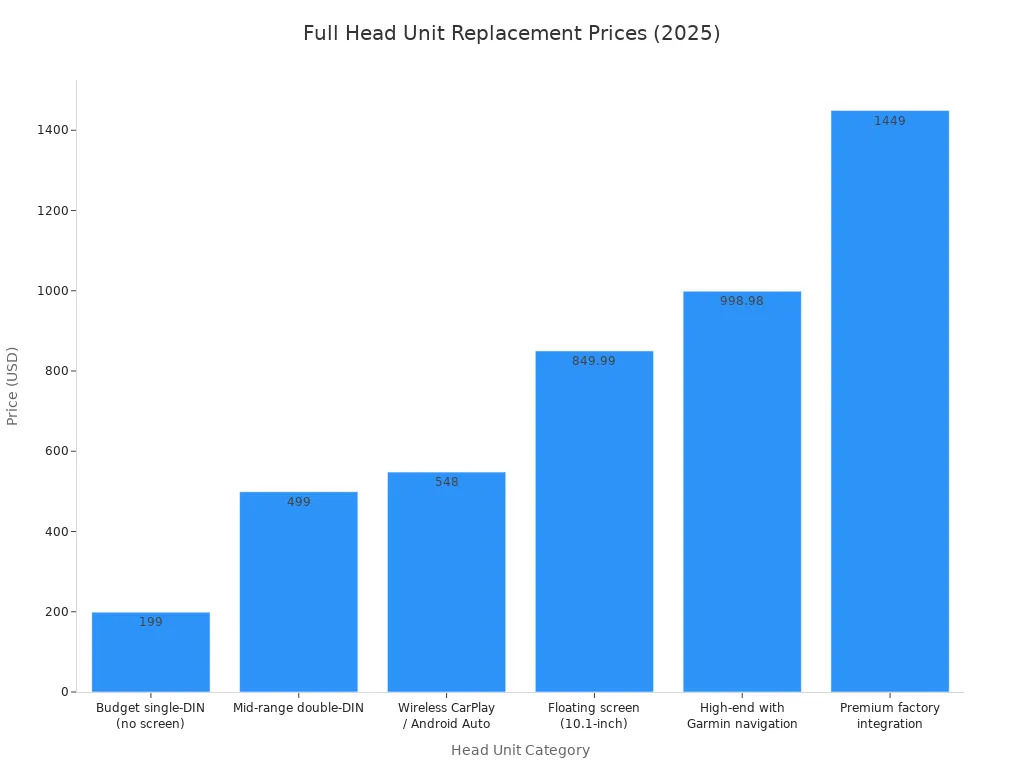
A full head unit replacement takes out your factory screen completely. You put a new aftermarket unit in its place. Prices change a lot based on features. A budget single-DIN model costs around $199. A premium factory integration unit reaches $1,449. According to Jalopnik's analysis, a standard android auto-compatible head unit usually costs between $200 and $600. Professional installation adds about $100–$150. This choice gives you the newest hardware and biggest screens. It also needs major dashboard changes. You lose your factory settings and original interface.
A retrofit module offers a middle path. You keep your factory screen. You add android auto through a special interface. The aftermarket android auto retrofit keeps your original parts. You avoid the hassle of a new head unit setup. You also save money compared to premium replacements. The aftermarket unit connects to your existing wiring. Most kits work without cutting wires. This option fits drivers who want wireless android auto without losing their car's original design. A replacement head unit makes sense for older cars with outdated screens. For most modern cars, the retrofit module gives the best value.
One key point: if your car already supports Apple CarPlay, android auto in bmw and other brands often works through a specific USB port. Check your vehicle's compatibility before buying any solution.
How to Install Android Auto on Your Factory Screen
Putting in an android auto retrofit kit is a simple, step-by-step job. You don't need to be a pro mechanic. You only need basic screwdrivers. Most people finish in one afternoon. The job has three main parts: taking things out, hooking things up, and testing.
The Plug-and-Play Hardware Explained
Plug-and-play kits don't need cutting, splicing, or custom work. You take out old parts, put in new ones, and connect everything with car-specific harnesses. No factory wires get cut or spliced. You can undo everything later and put the original radio back if you want.
A typical kit comes with several main parts:
Radio module that handles the android auto signal
Touchscreen or display hookup for your factory screen
Media hub with USB ports for android auto phones
Trim bezel that fits your dashboard's shape
Car-specific wiring harness that links everything
An OEM CarPlay integration kit is a module that plugs into your factory radio and adds CarPlay and Android Auto. It connects to the back of your head unit with factory-style plugs — no cutting, no splicing, no soldering.
The wiring harness must match your car's factory plugs exactly. If a product says it's for your model, the harness and CAN bus decoder come ready for that car. This means a direct hookup with no changes. Some kits might need a firmware update to your factory system, but the maker gives clear steps for that.
Compatibility and Vehicle-Specific Fitment
Before you buy any kit, check if it works with your car. Not all cars can use retrofit modules. Wiring setups differ by brand and model year. A kit made for one car won't fit another without the right adapter.
The install steps follow the same pattern in most cars:
Remove the Screen and Front Panels – Take off the lower trim, remove T20 Torx screws, slide the head unit forward, remove air vent trim, and take out screen screws.
Make the Connections – Unplug the original LVDS cable, plug factory LVDS into module (LVDS IN), plug LVDS OUT into screen, check the routing, connect QUADLOCK power harness, set DIP switches for screen size, and check all connections.
Test the System – Turn on the car, hold MENU to enter CarPlay/Android Auto, pick a mode, test both systems, test sound, check switching, and run the final checklist before putting everything back.
The wiring harness must match your car's factory plugs exactly. No factory wires should be cut or spliced. The install must stay reversible so you can put the original radio back. For example, a car-specific adapter harness connects your factory wiring to the new unit that supports android auto. The adapter matches the factory plugs on both ends, so the install is fully plug-and-play.
If you drive a BMW, you might ask about android auto in bmw models. Many BMW retrofit kits work the same plug-and-play way. They hook into the existing iDrive system without swapping the factory screen. The same idea works across brands. You keep your original controls and display while getting modern features.
The big question for any car is simple: does a kit exist for your exact make, model, and year? Check the maker's compatibility list before ordering. This one step saves you headaches and wasted money. A good kit changes your driving experience. You get navigation, music, and messages on your factory screen. You keep your steering wheel controls and original look. The install rewards careful work, but the process stays easy for any patient DIYer.
Pros and Cons of a Retrofit Android Auto Kit
The Benefits: Native Look and Lower Cost
A retrofit kit uses your car's original screen. It keeps the dashboard looking the same. No one will know you added new tech. The trim matches your car's interior. You don't have to use a bulky add-on screen. Your car keeps its clean, factory look.
Your steering wheel controls still work. Volume, track changes, and voice commands work just like before. You keep all factory features. You get wireless Android Auto without cables. Your phone connects on its own when you get in the car. Navigation, music, and messages show up on your factory screen. The system connects smoothly to your car's wiring.
Cost is also important. A new head unit costs $200 to $600 for the part alone. Installation adds $100 to $150. That could be $700 or more. A retrofit kit costs less. You don't pay for labor to change the dashboard. You keep your original radio and speakers. The sound stays the same because you use the car's built-in amplifier. The module adds modern features to your current setup. You get wireless Android Auto. You keep your backup camera and parking sensors. The system works with your car's microphone. This type of aftermarket solution gives you the best of both worlds.
The Trade-offs: Limitations and Considerations
Some kits have a small delay. When you tap a button, it might take half a second to respond. This delay doesn't change navigation or music. It can feel strange when you scroll fast. Most users get used to it quickly. The delay doesn't hurt safety or how easy the system is to use.
Not all features are easy to reach. Some car settings are only in the original menu. The retrofit module adds a layer over your car's system. You can still get to factory menus by changing modes. It just takes one extra button press. You don't lose any settings or controls.
Installation is easy for most people. You take off trim pieces, plug in harnesses, and test the system. Some people worry about taking apart the dashboard. They fear breaking the clips. You can watch the maker's video guide. The job takes about one to two hours. If you're not sure, a local car audio shop can do it. The cost for installation is $80 to $150.
Compatibility is important. Not every car can use an Android Auto retrofit kit. Check the maker's list before you buy. The wiring harness must fit your exact car model. A kit for one car won't work in another. For example, if you need Android Auto in a BMW, you must buy a BMW kit. The right kit works without cutting or splicing wires. This costs less than a new head unit installation.
The downsides are small. You keep your factory screen. You save money compared to a new head unit. You get wireless Android Auto. The small delay and limited features don't matter for everyday driving. Picking a good brand like Leadsign helps avoid these problems. The company tests each kit for fit and performance. You get a reliable product that works as promised. Your driving experience gets better without the trouble of a full dashboard swap.
Retrofitting Android Auto into your factory screen offers the most elegant solution for drivers in 2026. You preserve your dashboard's original aesthetic. You avoid the expense of a replacement head unit. The installation process remains straightforward for any DIYer.
The market reflects this growing demand. Wireless Android Auto adapters reached USD 1.21 billion in 2024. Projections show a 12.6% CAGR through 2033, reaching USD 3.56 billion. This growth confirms the value of retrofit solutions over a new head unit purchase.
A Leadsign kit delivers this modern experience without compromise. You keep your car's factory controls and display. You gain wireless connectivity and navigation. Check the Leadsign website for your vehicle's compatibility today.
FAQ
Will This Kit Work With My Car?
Check the maker's compatibility list before you order. Most kits work with popular brands like BMW, Lexus, Toyota, and Mercedes. The wiring harness must match your exact make, model, and year. A kit made for one vehicle won't fit another without the right adapter.
How Hard Is the Installation?
The job takes one to two hours. You remove trim pieces, plug in harnesses, and test the system. No cutting or splicing needed. Most kits come with video guides. If you're unsure, a local car audio shop can do it for $80 to $150.
Will I Lose Sound Quality?
No. The retrofit module uses your car's factory amplifier and speakers. You keep the original audio system intact. The module adds Android Auto features without changing how sound reaches your ears. Your backup camera and parking sensors keep working normally.
Which Phones Work With the System?
Most android auto compatible phones connect wirelessly. You need a phone running Android 11 or newer. The system pairs automatically when you get in the car. For android auto in bmw models, the same rules apply. Check your phone's settings to make sure Android Auto is turned on.
Does This Work With BMW Models?
Yes. Many BMW retrofit kits connect to the existing iDrive system. You keep your factory screen and controls. The module adds wireless Android Auto without swapping hardware. This approach works for android auto in bmw vehicles from the last decade. Check the compatibility list for your specific model year.
See Also
Upgrade Your BMW With Wireless CarPlay Retrofit Kit
Enhance Your Vehicle Display With CarPlay Screen